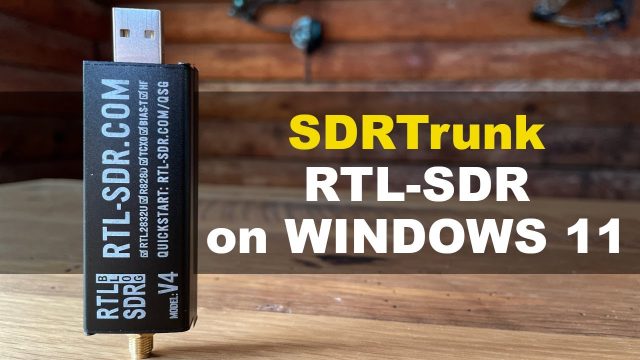
How To Install SDTrunk On Windows 11
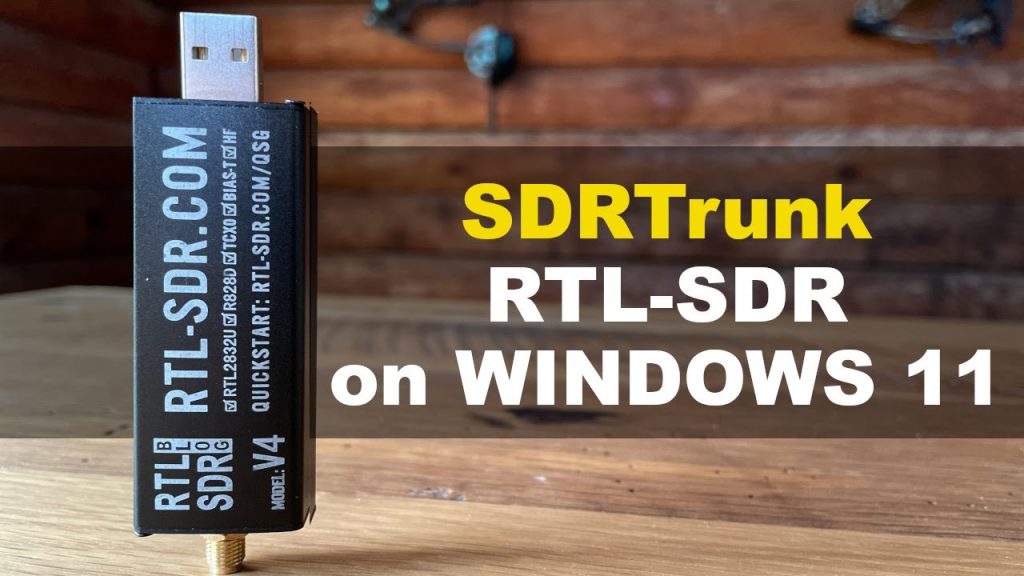
If you’ve been looking for a way to listen to GMRS frequencies, local fire and EMS dispatch, or police communications directly from your computer, SDR trunk is the perfect solution. In this comprehensive guide, I’ll walk you through everything you need to know to get your RTL-SDR device up and running with SDR trunk on Windows 11.
SDRTrunk is also a good tool to use if you are into emergency preparedness.
Watch on YouTube: https://www.youtube.com/watch?v=NRsXKbd5Mvc
What You’ll Learn
By the end of this tutorial, you’ll be able to:
- Update the drivers for your RTL-SDR device
- Install and configure SDR trunk software
- Program custom frequencies for monitoring
- Listen to multiple channels simultaneously
Hardware Setup
Before diving into the software installation, let’s cover the hardware basics. For this setup, I’m using the standard “bunny ears” antenna that comes with most RTL-SDR devices. Don’t worry if you’re using the stock antenna—it works surprisingly well for picking up a wide range of frequencies, including:
- GMRS and local repeaters
- Fire and EMS dispatch
- Sheriff and police departments
- DMR (digital mobile radio) frequencies
The setup is straightforward: screw the antenna onto your SDR dongle and plug it into an available USB port on your computer.
Important USB Port Note: I’ve found that USB 3.0 ports (the ones with blue coloring inside) don’t work reliably with these devices. Stick with standard USB 2.0 ports for the best results.
Step 1: Download the Required Software
You’ll need two pieces of software to get started:
SDR Trunk
Head over to the SDR Trunk GitHub releases page and download the Windows version. Unless you’re running an ARM-based processor (which is unlikely), you’ll want the x86-64 version. Most users running Intel or AMD processors should choose this option.
Zadig
Zadig is the tool we’ll use to update the drivers on your SDR device. Download the latest version from the official website.
Both files will save to your Downloads folder.
Step 2: Update Your SDR Device Drivers
After plugging in your SDR device, open Zadig. The interface will show you the current driver status.
Here’s what to do:
- Navigate to Options → List All Devices
- Select Bulk-in Interface (Interface 0) from the dropdown
- Check the driver versions displayed on the left and right sides of the screen
- If the left side shows “none” or an outdated version, click Install to update the firmware
This step is crucial for ensuring your device communicates properly with SDR trunk.
Step 3: Install SDR Trunk
Once your drivers are updated, it’s time to install the software:
- Locate the SDR Trunk zip file in your Downloads folder
- Right-click and select Extract All
- Navigate into the extracted folder: SDR Trunk Nightly → subfolder → bin
- Double-click on sdrtrunk.bat
- Click Run when prompted
A console window will appear with text scrolling by—this is the Java interpreter launching the application. You may see a prompt to perform CPU calibration. For your first time, feel free to click Cancel. You can always run this optimization later when you have more time.
Step 4: Understanding the Interface
Once SDR trunk launches, you’ll see the main window with several key elements:
- A waterfall display showing frequency activity
- Real-time frequency information
- The main SDR trunk control interface
This is where all the magic happens. The waterfall display provides a visual representation of signal activity across the frequency spectrum.
Step 5: Programming Your First Frequency
Now for the fun part—adding frequencies to monitor. Here’s how:
- Click on Playlist in the menu
- Select Channels from the playlist window
- Click New to add a frequency
Adding an Analog FM Frequency
For a basic analog frequency (like a local sheriff’s department):
- Select NB FM (Narrowband FM) as the system type
- Give it a descriptive name (e.g., “Augusta County Sheriff”)
- Enter the frequency (e.g., 460.400 MHz)
- Click Save
Cloning Channels
If you want to add a related frequency, you can clone an existing channel:
- Select the channel you want to duplicate
- Click Clone
- Update the name (e.g., “Dispatch”)
- Enter the new frequency (e.g., 460.550 MHz)
- Click Save
Step 6: Listening to Your Channels
To start monitoring a frequency:
- Select the channel from your list
- Click Play
- Adjust your volume as needed
You can monitor multiple channels simultaneously by selecting and playing as many as you want. The software will display active transmissions in real-time.
Adding GMRS Frequencies
If you want to add GMRS frequencies:
- Click New in the channels menu
- Select MB FM (Medium Band FM)
- Enter the GMRS frequency
- Save the channel
For a complete list of GMRS frequencies, visit my website at jamesbrett.net where I’ve compiled all the standard GMRS channels.
Pro Tips for Using SDR Trunk
Visual Monitoring
Even when you’re not actively listening to a channel, you can still see when transmissions occur. The waterfall display will show peaks in activity, and you can visually monitor multiple frequencies at once.
Zoom Controls
Use Ctrl + Mouse Wheel to zoom in and out on the frequency display. This gives you a better view of specific frequency ranges and helps you see transmission patterns more clearly.
Auto-Start Channels
You can configure channels to automatically start monitoring when you launch SDR trunk. This is perfect for frequencies you want to monitor continuously.
Multiple Tuners
If you have more than one RTL-SDR device, SDR trunk supports multiple tuners, allowing you to monitor even more frequencies simultaneously.
Troubleshooting
If you’re having issues getting everything working:
- Make sure you’re using a USB 2.0 port, not USB 3.0
- Verify that your drivers are properly installed using Zadig
- Check that your antenna is securely connected
- Ensure you’re entering frequencies correctly (in MHz)
For additional help, I’ve created a comprehensive step-by-step guide on my website at jamesbrett.net with clickable links to all the software you need and detailed instructions you can print out for future reference.
Conclusion
SDR trunk transforms your RTL-SDR device into a powerful monitoring station right from your computer. Whether you’re interested in emergency services, amateur radio, or just want to stay informed about what’s happening in your community, this software makes it easy and accessible.
The combination of visual and audio monitoring, support for multiple frequencies, and the ability to organize your favorite channels makes SDR trunk an invaluable tool for anyone interested in radio monitoring.
Happy monitoring!